
What we do
We support children and youth to reach their full potential!
We run shelter homes, schools and a reasonable mess that helps such needy young people. We also have our helpline offices that can be approached at any time.
What we care for
At the heart of Hello Health Supply is a profound commitment to more than just logistics; we are driven by a set of core convictions that shape every partnership, every solution, and every kilometer of the supply chain we manage. We care deeply about transforming systemic challenges into sustainable, equitable outcomes for people and the planet.

Bridging the Last Mile, Delivering Universal Health
We care about the fundamental injustice that geography or economics should determine health outcomes. Our work is laser-focused on dismantling barriers that prevent life-saving commodities from reaching vulnerable and remote populations—the “last mile.” This means designing supply chains with intentionality, using data to identify gaps, and deploying innovative delivery models to ensure that a child in a rural village has the same access to vaccines as one in a capital city. We measure our success not by the volume moved, but by the equity of distribution, directly advancing the promise of Universal Health Coverage.
Resilient Systems: Building for Tomorrow’s Challenges
We care about the fragility of global health systems exposed by pandemics, climate events, and instability. A resilient supply chain is a lifeline that must not break. We go beyond efficiency to build adaptable, shock-resistant systems. This involves diversifying supplier networks, integrating climate-smart warehousing, deploying predictive analytics for demand forecasting, and creating flexible logistics protocols. Our goal is to ensure that health systems can withstand disruption and continue to deliver care uninterrupted, protecting decades of health progress.

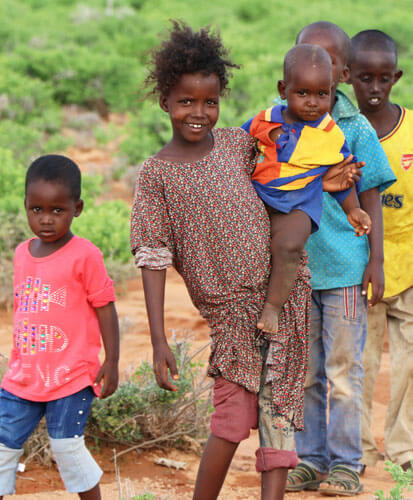
Local Empowerment: Partnering for Sustainable Impact
We care about true sustainability, which cannot be air-dropped in. Lasting impact is built on local expertise. Our model prioritizes deep partnership—we invest in training local logistics managers, integrate regional suppliers, and co-design solutions with ministries of health and community health workers. We transfer knowledge, share technology, and build local capacity to manage, optimize, and own their supply chains long after our direct involvement. This creates not just a delivered product, but a strengthened, self-reliant health ecosystem.
